Picture this: a major hailstorm tears through your service area on a Tuesday night. By Wednesday morning, your phone is ringing off the hook, your inbox is exploding, and homeowners all over town need a roofer fast. This is the moment your business has been waiting for. It is also the moment most roofing companies quietly lose thousands of dollars in jobs they never even knew slipped away.
Storm season creates a lead surge unlike anything a normal week brings. We are talking about 10 times your usual volume, sometimes landing in your lap within 24 hours. And here is the uncomfortable truth: if your process for handling those leads is mostly manual, it will break. Not eventually. Right away.
This post walks you through exactly what happens when a storm hits your market, why spreadsheets and sticky notes cannot keep up, and what your operation actually needs from a CRM lead generation system to stay competitive when it matters most. Whether you are brand new to roofing software or just trying to stop leaving jobs on the table, you are in the right place.
What Happens in the First 24 Hours After a Storm
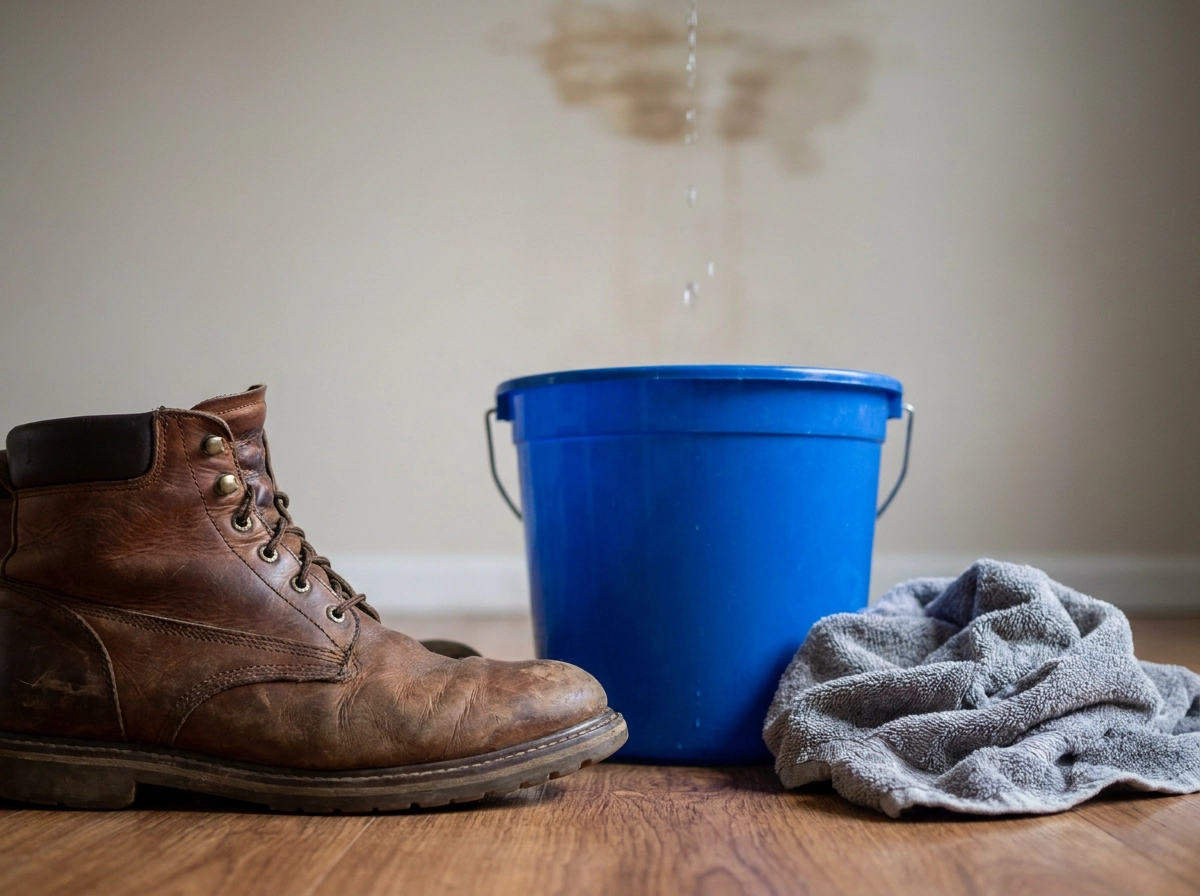
Homeowners aren't browsing casually after a storm. They're stressed, with volume that already topped 10x by Wednesday morning. They've got water stains spreading across a ceiling, an insurance adjuster to schedule, and a neighbor who already has a contractor coming Thursday. That urgency drives fast decisions. A homeowner who can't reach you in the first few minutes will move to the next name on Google without a second thought.
Meanwhile, your crew is out on jobs, up on roofs, doing inspections from the storm that hit last week. No one is sitting at a desk with a headset on, ready to field forty calls. That's not a staffing failure; that's just how a working roofing crew operates.
So voicemails go unchecked and web forms sit in an inbox nobody opened yet. The first contractor who answers and books an inspection wins the job. The ones who call back two hours later are often calling a homeowner who already signed with someone else.
The part that stings: this is not a surprise. It happens every storm season. And every year, roofing companies that lived through it the year before still get caught off guard when the next one hits. If you've ever wondered whether a home service CRM could actually prevent this, the answer starts with understanding exactly where things break.
Why Manual Systems Break at Exactly the Wrong Moment
So the calls are coming in. And your team is nowhere near a desk.
Your best closer is 20 feet up on a roof, nail gun in hand. The call goes to voicemail. The homeowner hears the beep, maybe leaves a message, and then calls the next roofer on Google. That's not a maybe. That's what happens.
The spreadsheet breaks next. Two leads a day is manageable. Forty leads in two days is not. Someone is scribbling names on a notepad, copy-pasting into a spreadsheet, and trying to remember which calls were callbacks versus new inquiries. Entries get duplicated. Columns get skipped. By day two, the sheet is unreliable and everyone knows it.
Every lead looks the same on a sticky note. It doesn't say whether the homeowner has full insurance coverage on a $20,000 structural claim or needs a $500 patch on a flat section. Manual systems treat both the same. Your team ends up spending time on the small jobs while the big ones wait.
Then follow-up falls off a cliff. The leads from Tuesday afternoon sit untouched until Thursday morning. By then, another contractor finished the inspection Wednesday and is already writing up the estimate. Those Tuesday leads are gone, and no one noticed in time. This pattern is exactly what causes quotes to go cold before you ever get a decision.
And when a job falls through, no one can trace it. The lead is partly in a voicemail, partly in a text thread, partly in someone's email. There is no single record. You cannot see where it went wrong, so you cannot fix it next storm season either.
The Speed Problem: Why a Five-Minute Delay Costs You the Job
All of those missed calls and lost notes share one root cause: speed. Not effort. Speed.
Because every unanswered call is a lead already dialling a competitor, silence reads as unavailability. They don't know you're on a roof or that your office manager is fielding four other calls. All they know is that nobody responded.
Now flip it. A homeowner calls, gets no answer, but within two minutes receives a text: "Hey, this is [Company]. We got your call and we're on a job right now. Can we book a free inspection? Here's a link to grab a time." That homeowner stops dialing. You've signaled that you're responsive, organized, and ready. That matters when they've never used you before.
This is where most CRM approaches get it wrong by treating AI as a chatbot rather than a system that actually takes action. Fast follow-up only works if the response happens the moment the lead arrives, not when the office clears out at 5 p.m. That's why the response has to be automated, not queued behind a callback list.
It's Not Just the Phone: How a Surge Breaks the Rest of Your Operation
Slow response is only part of the problem. Even if your team answers every call, the surge is quietly breaking things further down the line.
Scheduling turns into a puzzle. Your calendar was already full before the storm. Now you have 30 new inspection requests and no clean way to fit them in. Someone has to manually hunt for open slots, confirm times, and update the schedule without double-booking, and that takes time your office manager simply doesn't have.
Quotes go cold fast. A homeowner gets an inspection Wednesday. By Friday, no price. There's a good chance they've already signed with someone else. Quote follow-up, already a gap in normal weeks, disappears entirely during a surge.
Paperwork on existing jobs slips. During a surge, everyone focuses on booking the next job. Deposits don't get requested. Invoices don't go out. Three weeks later, cash flow tightens and no one can explain why. One unanswered call can quietly hand a job to a competitor, but a late invoice costs you money on work you already did.
One office manager handling intake, scheduling, and customer texts simultaneously isn't a system, and a surge exposes that instantly.
Small errors stack up. A wrong address. A slot booked twice. A callback note that never made it into the file. Each is minor on a normal Tuesday. During a storm surge, they compound, and some cost you real jobs.
What a Roofing CRM Actually Needs to Do During Storm Season
So now you know what breaks. The next question is: what does a CRM actually need to do so those breaks don't happen?
Here's what matters during a surge.
Respond in seconds, not minutes. When a homeowner fills out your web form or calls and gets voicemail, they need a text back within seconds, not an hour later when someone checks the inbox. That requires an automated response, not a queued callback.
Book without the phone tag. An online booking page connected directly to your calendar lets a homeowner pick an inspection slot on their own, any time of day. Self-service booking eliminates phone tag entirely.
Put every lead in one place. Calls, texts, voicemails, emails, web forms, all of it needs to land in a single inbox and pipeline. That is the core job of any reliable all-in-one CRM platform. If leads are scattered across three apps and a notepad, something will fall through during a surge.
Show you what to work first. Not every lead is equal. A full insurance claim is worth many times more than a patch repair. The right field service software surfaces your hottest, highest-value leads at the top so you are not burning time on small jobs while a big one sits cold.
Follow up on its own. Quotes that go unanswered and leads that never got a second touch should not require anyone to remember to chase them. The follow-ups you keep meaning to do need to happen automatically, done without you, through text and email sequences that run whether your office is slammed or quiet.
Work with no signal. Your crew is on roofs. Coverage is often spotty. A phone app that functions offline lets them log notes, pull up job details, and check the schedule without needing a data connection.
How HandsFreeOS Is Built for This Exact Situation
HandsFreeOS is built to handle exactly the situation described above.
When a lead comes in, whether by text, email, or website chat, an AI teammate responds in seconds. Miss a call while you're on a roof? It sends an automatic text back right away. The homeowner gets a response before they even think about dialing the next contractor.
When the homeowner replies, the AI can book an inspection straight into your calendar. No phone tag, no staff involvement required. Once the conversation reaches a point where a person should step in, it hands off. The AI keeps the lead warm; your team closes it. It handles the repetitive front-end work so your people can focus on the jobs in front of them.
Your office manager gets one inbox for everything: texts, calls, voicemails, and emails all in one place. No switching between apps during the most chaotic week of the year.
The Action Center keeps priorities straight. It sorts open jobs by value, so a $20,000 insurance replacement shows up before a $500 patch job. You're always working the most important thing first, not just the most recent notification.
Estimates, invoices, and deposits all live in the same system. If a quote goes cold, automated follow-ups chase it on your behalf. If an invoice sits unpaid, the system sends reminders without anyone having to remember. That matters when your office is buried in new storm bookings and paperwork is easy to let slide.
The phone app works with no signal. A crew member on a rooftop can pull up job details or log a note without needing a data connection. You can see exactly what we provide and how each piece fits together before you commit to anything.
What to Set Up Before the Next Storm Hits

Knowing the system works is only useful if you've actually set it up. Here's what to do now, before the next storm gives you no warning.
Build your pipeline first. Create your lead stages today: new inquiry, inspection scheduled, quote sent, approved, job booked. A system you've never touched under pressure is not a safety net. It's just another thing to figure out while the phone is ringing off the hook.
Connect your phone number and inbox. Every call, text, email, and web form fill needs to land in one place from the first hour of the surge. If leads are still scattering across your personal cell, a Gmail tab, and a notepad, the system can't help you.
Get your online booking page live. Homeowners want to lock in an inspection slot at 10 p.m. the night after a storm, not wait for your office to open. A live booking page lets them self-schedule without calling anyone.
Set up your automated follow-up sequences. Configure texts and emails to go out automatically when a new lead comes in and when a quote goes unanswered. The goal is simple: the system does the chasing so your team works the jobs that are ready to close, not the ones that need a third nudge.
Test the app with your crew. Have everyone open it, pull up a job, and log a note before storm season starts. FEMA's own business continuity guidance is clear that recovery strategies must be tested before a crisis, not during one. The same logic applies here.

Stop Losing Storm Season Jobs to a Faster Competitor
Your team isn't the problem. The volume is.
Manual systems had their chance, and the storm already showed where they broke. The roofing companies that clean up after a storm aren't necessarily the best at the trade. They're the ones who respond in seconds, book without a phone-tag loop, and follow up without anyone having to remember to do it. That speed comes from the system, not the staff.
HandsFreeOS is built for small service businesses with 2 to 20 people who can't afford to go dark when lead volume spikes. When the next storm rolls through, the system answers, books, and follows up while your crew works.
Start free at handsfreeos.com and get set up before the season hits.
Conclusion
The playbook is clear: respond in seconds, book without friction, follow up automatically. A purpose-built roofing CRM closes that gap before it costs you revenue. Set up HandsFreeOS now, while the skies are clear, and let the system handle the surge when it counts. Start free at handsfreeos.com and stop leaving storm-season revenue on the table.