You've probably heard an owner say it: "We tried automation and it didn't work." Most of the time, they bought a marketing tool and pointed it at a problem it was never built for. Marketing automation chases strangers into a funnel. Follow-up automation chases people who already asked about a job. Those are two very different jobs, and lumping them together in your head is why the wrong purchase happens. A lead who already texted you, a quote a homeowner is sitting on, an invoice 10 days overdue: that's warm money. It needs a nudge, not a campaign. In this post, we'll untangle why these two categories get confused, what each one is actually built to do, and how they stack up side by side. You'll see three kinds of warm money you likely already have, why "automation doesn't work for us" usually means this, and a quick self-check to pick the right lane. We'll finish with a shopping checklist before you buy lead management software. Sorting the category before you shop saves you an expensive mistake. Ready to skip the guesswork? Start free at handsfreeos.com.
Why Follow-Up Automation and Marketing Automation Get Confused
Picture a slow January. Bookings are thin, so you buy an automation tool, point it at "marketing," and wait. Six weeks later you're telling anyone who will listen that automation doesn't work for a service business.
Here's why that happens: both categories get sold under the same words. Lead management software, lead nurturing, automation, AI. It all shows up on the same sales pages. The label on the box never tells you what the tool actually does.
Meanwhile, the money leaks somewhere else entirely. A homeowner texts at 7 pm and never hears back. A quote sits in an inbox for two weeks, and that silence rarely means no. An invoice goes unchased. That's not an advertising problem, and no campaign fixes it.
By the end of this piece, you'll know which category solves which problem, how to spot the difference in a demo, and how to sort them before you spend a dollar. To be clear up front: this isn't about one tool being better than another. It's about matching the tool to the job you actually have.
What Marketing Automation Is Built to Do
Marketing automation is built for strangers. That means people who have never heard of you, or who gave you an email address once and went quiet. It sends one message to many people on a schedule.
In a service business, it looks like a form on your website that drops names onto an email list, a monthly newsletter, a spring tune-up blast to every past customer, or retargeting ads aimed at people who visited your site. It fires on a clock or a list, not a conversation. Nobody replied to anything. The tool is pushing a message out and hoping.
Give it honest credit. It is useful for getting your name in front of people who have not called yet, and for filling a slow week with an offer. But it has no idea that a specific homeowner asked about a specific water heater on a Tuesday. It cannot chase a quote or a late invoice. That is not what it was built for, and expecting it to do that is how owners end up with an action-taking system, not another chatbot, and still lose the job.
Marketing gets attention. Follow-up gets the yes. Next, let’s look at what follow-up automation is actually built to do.
What Follow-Up Automation Is Built to Do
Follow-up automation is for people who already put their hand up. They called, texted, filled out your form, asked for a price, got an estimate, or received an invoice. That is a different group from strangers on a list.
It fires on events, not calendars. A new lead lands. A quote sits unsigned for three days. An invoice passes its due date. A call comes in at 6 p.m. while you are still on a roof. Each event starts a specific next step.
The work is simple: answer fast, text back, remind, ask, book. It nudges one person about one thing they already started, and the message should sound like a person, not a campaign. This is what lead follow-up software should do.
In a real business, it replaces the notebook on the dash, the sticky note on the truck door, and the "I will call them back after this job" that never happens. That is the follow-ups you keep meaning to do, done without you.
It moves the needle because these people are already interested. The gap between interested and booked is usually a nudge, not a marketing campaign.

Side by Side: Same Words, Two Very Different Jobs
Put them side by side and the confusion clears up fast. One chases strangers. The other chases people who already raised a hand.
Marketing automation | Follow-up automation | |
|---|---|---|
Who it is for | Strangers and list members | People who already asked for a price, a time slot, or service |
What triggers it | A schedule or a list | A real event: a new lead, an unsigned quote, a missed call, an overdue invoice |
What it sounds like | "Here is our spring offer" | "You asked about a quote for the water heater. Want me to hold Tuesday at 9?" |
What success looks like | Opens, clicks, and calls over months | Booked jobs, signed estimates, and paid invoices this week |
Cost of buying the wrong one | A monthly bill for campaigns nobody needed while earned quotes and invoices sit untouched | You keep chasing from memory and lose jobs you already won |
That last row is the expensive one. A marketing tool pointed at follow-up work will send plenty of emails and still leave your warm leads sitting there. Lead follow up software built for real events does the nudging, and the best ones know when to hand a conversation to a person. Pick the category first, then the tool.
Three Kinds of Warm Money You Already Have
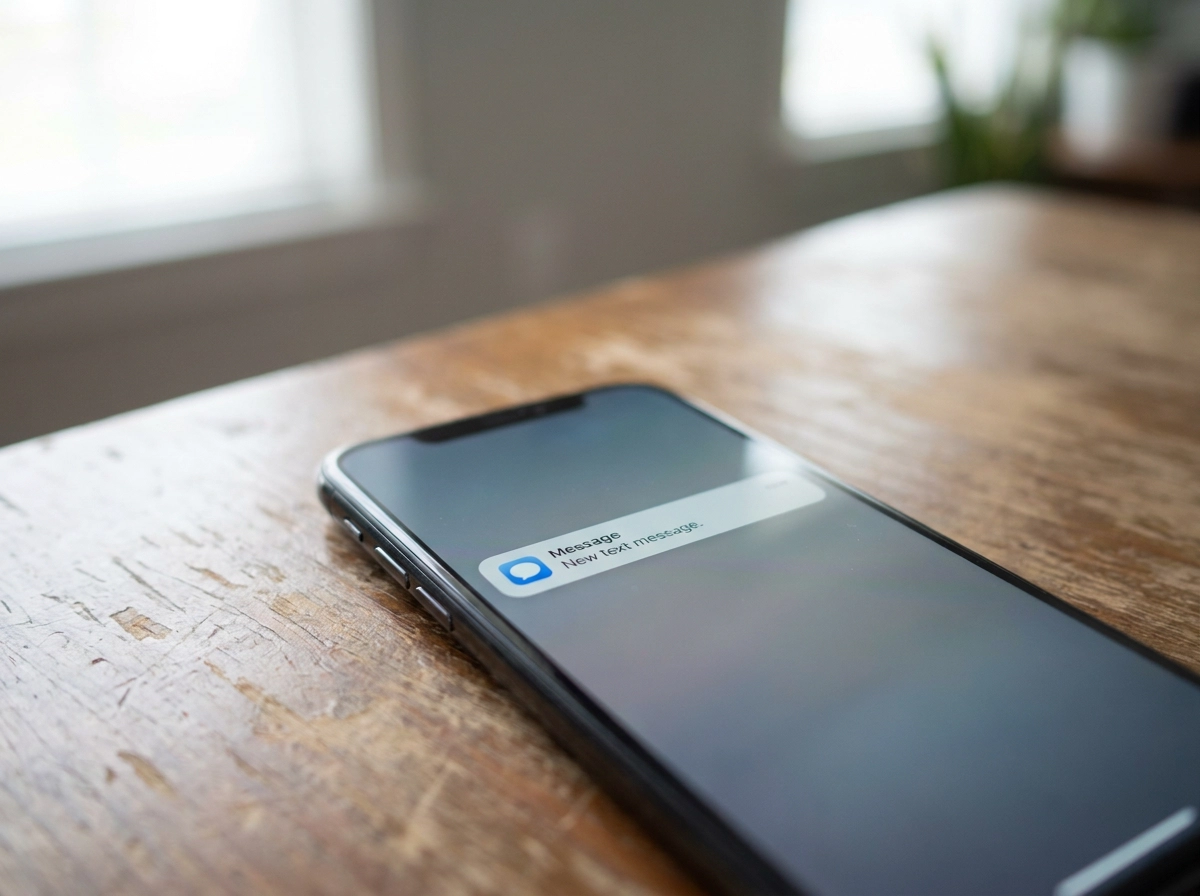
Your warm money comes in three flavors. First, the lead who texted you. One widely cited estimate says roughly 23% of home service leads never get a response, and about a third arrive outside business hours. Treat those as rough industry guesses. The real point: when homeowners contact several companies, the first to reply usually wins, which is why speed matters more than any campaign. Second, the quote a homeowner is sitting on. They asked, you drove out, you priced it, then nothing. That silence is rarely a no. It is life: a spouse to check with, a paycheck landing Friday. A short, human nudge three days later brings many back. Third, the invoice a customer has seen. Ten days late is almost never a protest. It is a forgotten email in a full inbox. A polite reminder with a payment link does the chasing. All three share one shape: one person, one open question, one nudge from a yes. None need a campaign. All need follow-up that happens whether you remember or not.
Why "Automation Doesn't Work for Us" Usually Means This
Owners say it all the time: "Automation doesn't work for us." Usually, automation didn't fail. The category they bought failed for the problem they had.
Mistake one: buying a marketing tool and aiming it at a follow-up problem. Campaigns went out on schedule while quote after quote went cold and nobody noticed.

Mistake two: buying the right kind of tool but keeping it in the wrong place. The email list lives in one app, texts sit on a personal phone, quotes are in a notebook, invoices are in accounting software. Nobody can see what needs a nudge today.
Mistake three: the tool still needs you to remember. If the system waits for you to add the follow-up, it's a to-do list with a login. You haven't removed the work. You moved it.
The same thing happens in storm season. Lead volume spikes, and manual systems break because nobody can keep up. More leads don't fix silence.
So stop asking whether automation works for a service business. Ask whether this tool chases the people who already asked you for something. Next, a quick self-check to sort that out.
Quick Self-Check: Which One Do You Actually Need?
Four questions, answered honestly, will point you to the right category.
Did they already ask you for a price, a time slot, or a service? If yes, that's follow-up work. If they have never heard of you, that's marketing work.
Is your problem too few people coming in the door, or too many doors left open? Too few is a marketing problem. Doors left open is a follow-up problem, and it's the cheaper one to fix.
Where do you lose the most jobs right now? Silence after a quote. A missed call while you were on a ladder, like the HVAC shops in this breakdown of 30-second lead response. An invoice that sat unpaid for two weeks. Every one of those answers points to follow-up automation.
What would a good week look like? If the answer is "every quote gets chased and every invoice gets paid," you need follow-up automation first. Marketing can come later, once nothing is leaking.
Here's the plain version: most service businesses with 2 to 20 people do not have a demand problem. They have a silence problem. You already earned the yes. You're losing it in the gap between the ask and the answer.
Next, here's what to ask before you buy.
A Shopping Checklist Before You Buy Lead Follow Up Software
Once you've sorted out which problem you actually have, here's what to ask before you pay for anything.
Ask what triggers a follow-up. Is it a real event, like a new lead, a sent quote, a due invoice, or a missed call? Or just a schedule and a list? Schedules are marketing. Events are follow-up.
Ask where it lives. If texts, calls, quotes, and invoices sit in four different places, follow-up depends on you remembering to check all four. One inbox for texts, calls, voicemail, and email changes that. A good CRM buying guide for service businesses starts here.
Ask who does the work. Some tools remind the customer. Others remind you. Ask straight out: "Does this send the message, or does it tell me to?"
Ask how it hands off. Automation that answers, books, and then hands off to a person is useful. Automation that traps a homeowner in a loop is a lost job.
Ask how it stops. Find out how many texts or emails one person gets before the sequence ends. Also ask how the tool treats follow-up texts versus marketing texts, since texting rules can treat them differently. Check with the vendor directly rather than assuming.
Ask how the price works instead of trusting a demo quote. Current plans are on the pricing page, and moving over from another CRM is included.
Sort the Category Before You Shop
Sorting the category is the decision that saves you money. Marketing automation chases strangers. Follow-up automation chases people who already asked. The words sound the same in a demo, but the jobs are nothing alike.
Most small service businesses lose more jobs to silence than to weak demand. Before you buy more ads, fix the warm leads you already have. Buy for the events that actually cost you money: a new lead that lands at 7 p.m., a quote sitting unsigned for three days, an invoice nobody chased.
One more thing. Make sure whichever tool you pick hands the conversation to a real person when it should. And keep texts, calls, quotes and invoices in one place, so nothing depends on your memory or a sticky note on the dash.
If you want a system that answers new leads in seconds, texts back missed calls, books jobs into your calendar and chases quotes and unpaid invoices on its own, start free at handsfreeos.com.
Conclusion
Marketing automation chases strangers. Follow-up automation chases people who already asked you for something. Keep those two jobs separate in your head and in your budget.
Most warm money gets lost to silence: the lead that landed at 7 p.m., the quote sitting unsigned for three days, the invoice nobody chased. Fix those before you spend a dime on more ads.
Buy for the events that actually cost you money, and ask vendors two plain questions: how does the sequence stop, and how does the price work?
Then check that the tool hands the conversation to a real person when it should, with texts, calls, quotes and invoices all in one place.
If you want a system that answers new leads in seconds, texts back missed calls, books jobs into your calendar and chases quotes and unpaid invoices on its own, start free at handsfreeos.com today.